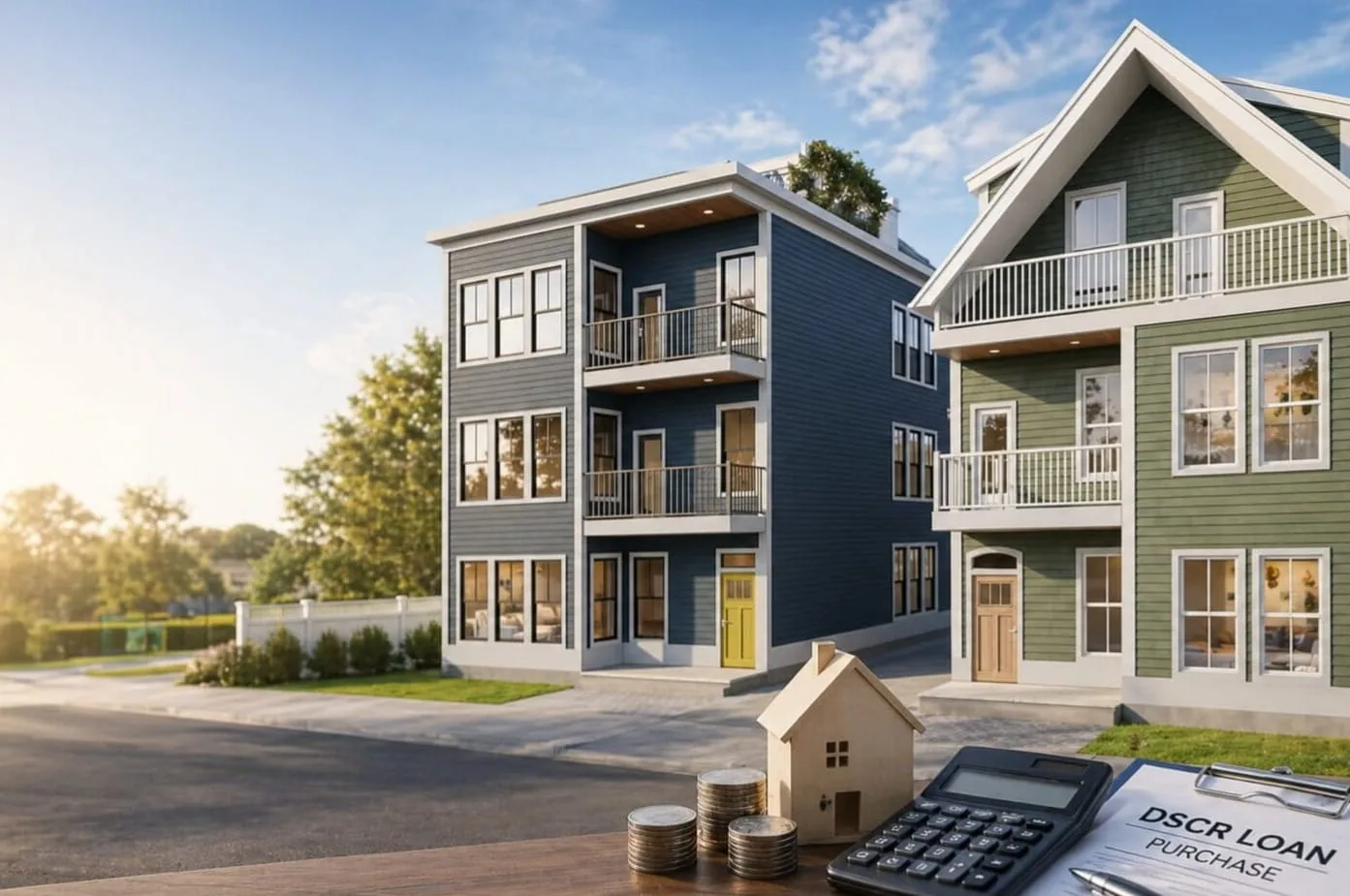
A DSCR Loan in North Carolina Built Around Your Rental's Income
Finance a North Carolina rental on the rent it brings in, with no W-2s or pay stubs. Crestmark Lending compares DSCR programs for Charlotte, Raleigh and statewide investors.
DSCR Loans in North Carolina for Buy-and-Hold Investors
A DSCR loan in North Carolina is approved on the debt service coverage ratio, which compares the monthly rent to the full monthly payment, known as PITIA (principal, interest, taxes, insurance and association dues). When the rent covers that payment, the deal can work even if your personal income is hard to document. Crestmark Lending is an independent broker, so we shop several national DSCR lenders instead of offering one menu.
Each program qualifies on the property's numbers rather than your tax returns. Tell us the address and expected rent, and we will show you which lenders fit.
- Our DSCR loan programs for single-family rentals, condos and 2 to 4 unit homes bought as investments.
- Cash-out DSCR refinancing to pull equity from a rental you already own and lease.
- Financing in an LLC name for investors who keep each property inside a business entity.
- Small multifamily DSCR loans for buildings where several units share one loan.
North Carolina Investment Property Loan Costs: Revaluations and Coastal Coverage
Property taxes in North Carolina are set by counties and cities, and state law requires each county to reappraise all real property at least once every eight years. Some counties move sooner, and larger counties must reappraise early when assessed values drift too far from sale prices. A revaluation year can raise the tax line of your payment, so check where the county sits in its cycle before you underwrite a hold.
Insurance is the other variable. Along the beaches and coastal areas, the North Carolina Insurance Underwriting Association, also called the Coastal Property Insurance Pool, serves owners as a market of last resort, and it does not write flood coverage. Flood policies come through the National Flood Insurance Program, which typically has a 30-day waiting period before coverage starts, so order it well before closing.
Put both numbers into the ratio before you make an offer. A DSCR loan in North Carolina is sized on the full PITIA payment, so a fresh tax value or a coastal premium can change the result. We collect those figures with you up front, which keeps underwriting on schedule.
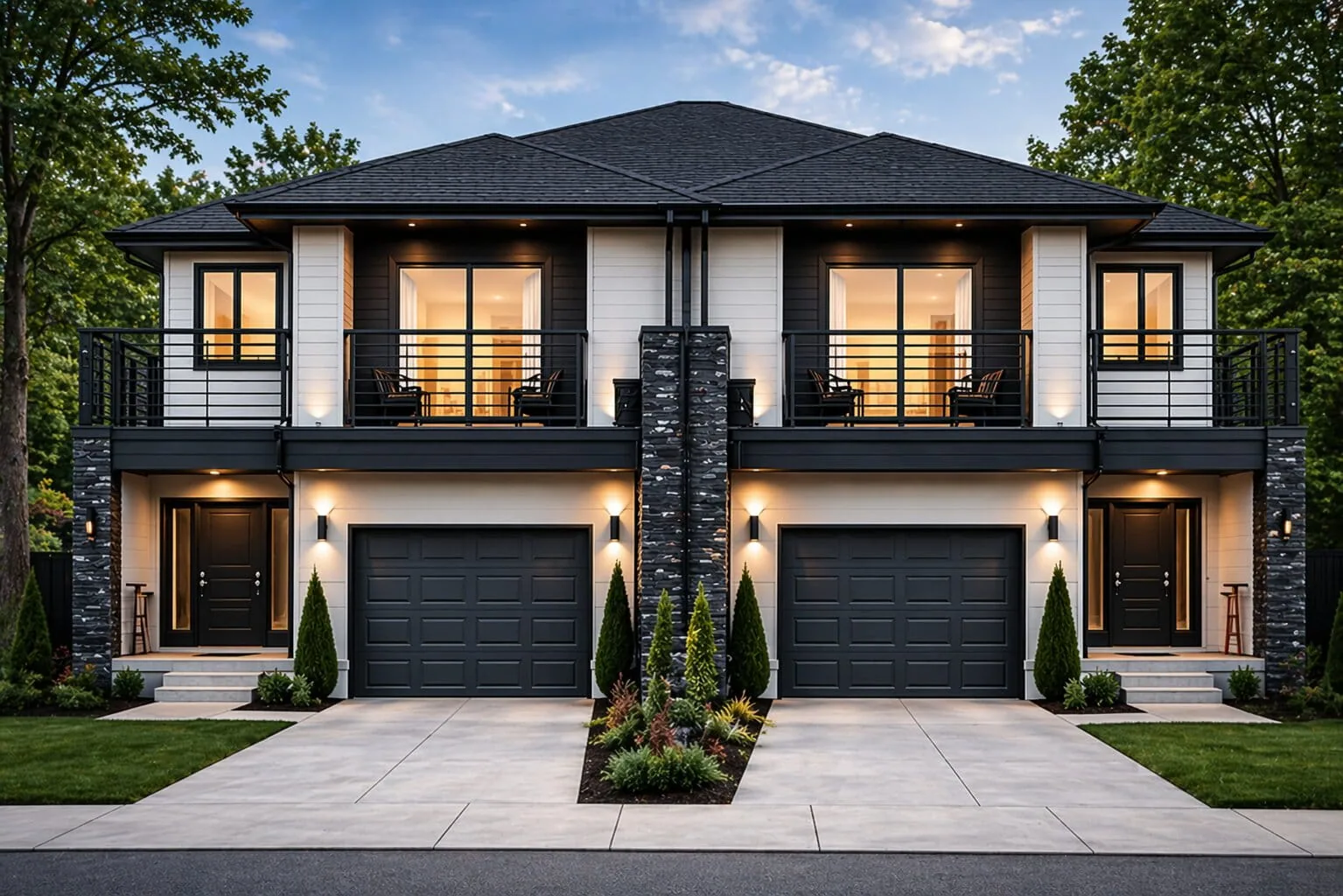
Where a DSCR Loan in North Carolina Gets Local
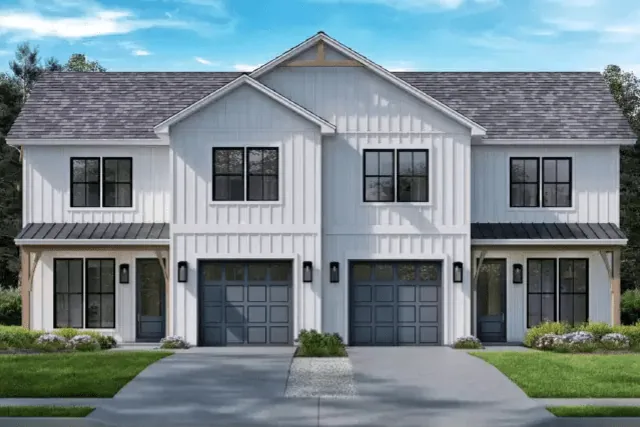
For a DSCR loan in Raleigh, check the use before you check the rate. The City of Raleigh requires every short-term rental operator to get a zoning permit first, the permit number has to appear on every listing, and short-term rentals are allowed only in certain zoning districts. In a multi-unit building, the city caps short-term rentals at 25 percent of the units or two units, whichever is greater.
For a DSCR loan in Charlotte on a long-term rental, the leases you already have, or the appraiser's market rent schedule, set the income side of the ratio. Charlotte and Raleigh sit well inland of the beach and coastal areas the pool serves, which keeps the insurance quote simpler to gather before an offer.
In both cities, start with the address. Check the zoning, the county's revaluation timing and a real insurance quote. With those three facts, we can tell you quickly how a DSCR loan in North Carolina would size up for that property.
Rentals in Other States Near the Carolinas
Investors based in North Carolina often expand into nearby markets. Crestmark Lending arranges DSCR financing for investment properties in each of the states below, and the full list of states we cover lists the rest.
Each state has its own taxes, insurance costs and rental rules. The loan itself works the same way everywhere: the property's rent has to support its payment. That makes it simple to add a second state once your first rentals are performing.

North Carolina DSCR Questions, Answered
Does a county revaluation affect my North Carolina DSCR approval?
It can. Lenders use the tax figure for the property when they calculate the payment, and a revaluation can raise that figure. North Carolina counties reappraise at least every eight years, and some do it more often. If the county you are buying in has a revaluation coming soon, plan your ratio with some room so a higher tax bill does not erase your cash flow.
Can I use DSCR financing for a Raleigh short-term rental?
Many DSCR programs accept short-term rentals, but in Raleigh the zoning permit comes first. The city requires a permit before you operate, limits short-term rentals to certain zoning districts and caps them inside multi-unit buildings. Confirm the property's zoning before you apply, because a lender is counting on rental income the city has to allow.
Do coastal North Carolina rentals need separate flood insurance?
Usually, if the property sits in a flood risk area or your lender requires it. Standard homeowners and coastal pool policies do not cover flood, so flood coverage is bought through the National Flood Insurance Program or a private carrier. The NFIP policy typically takes 30 days to begin, which is worth knowing before you set a closing date.
Can I buy a Charlotte rental if I am self-employed?
Yes. Self-employed investors are a common fit for DSCR financing because the lender looks at the rental's income instead of your tax returns, W-2s or pay stubs. You will still provide the appraisal, insurance details and, when you close in a company, the entity documents. Your credit and reserves also play a part in the terms you are offered.
Price Your North Carolina Rental With Us
Send us the property address, the rent you expect and how you plan to hold title, whether that is your own name, an LLC or a trust. Call (866) 655-8060, available 24/7, or write to help@crestmarklending.com, and we will line up DSCR options for that rental.